Mattress materials • Construction guide
Inside Vispring: Pocket Springs, Natural Fillings, and Mattress Feel
A mattress can sound impressive on paper and still feel wrong once you lie down. To understand what a Vispring mattress may feel like, look beyond its name: spring count, tension, upholstery layers, edge construction, and care requirements all help tell the story. Here’s a practical guide to the details worth comparing—and how they can shape comfort night after night.
Published October 19, 2026
The construction behind the first impression
When you test a mattress, the first sensation comes from the surface: perhaps cushioned, springy, or reassuringly firm. But that first impression is only one part of the experience. The support underneath, the way the mattress responds when you move, and how its comfort layers settle over time are all influenced by its construction.
Vispring mattresses are associated with pocket springs and natural upholstery materials, but those broad labels do not describe every model equally. Spring arrangements, tension choices, filling combinations, and finishing details can differ. That is why “natural fillings” or “pocket-sprung” should be the start of a comparison, not the conclusion.
A useful way to assess any mattress is to separate its components into three questions: What provides the underlying support? What creates the surface feel? And how is the whole structure held together and cared for? Answering those questions makes it easier to compare models without relying on a single firmness label or a showroom’s first impression.
What pocket springs actually do
In a pocket-spring mattress, individual coils sit inside fabric pockets. Because the coils can respond separately rather than being joined into one interconnected unit, pressure in one area may have less direct effect on another. In everyday terms, that design can help a mattress respond more locally to different parts of the body and may reduce the feeling of movement travelling across the sleep surface.
“May” matters here. The experience depends on the complete mattress, including the spring system, upholstery, tension, frame, and the sleeper’s own preferences. Two models can both use pocket springs yet feel notably different. Spring count alone does not tell you whether a mattress will feel supportive, soft, lively, or comfortable for a particular body.
Coil number is most useful when read alongside other details. Ask how the springs are arranged, whether they are nested in rows, and what tension choices are offered. Also consider whether the count applies to the size you are comparing. A stated number for a king mattress should not automatically be assumed to apply to a smaller size.
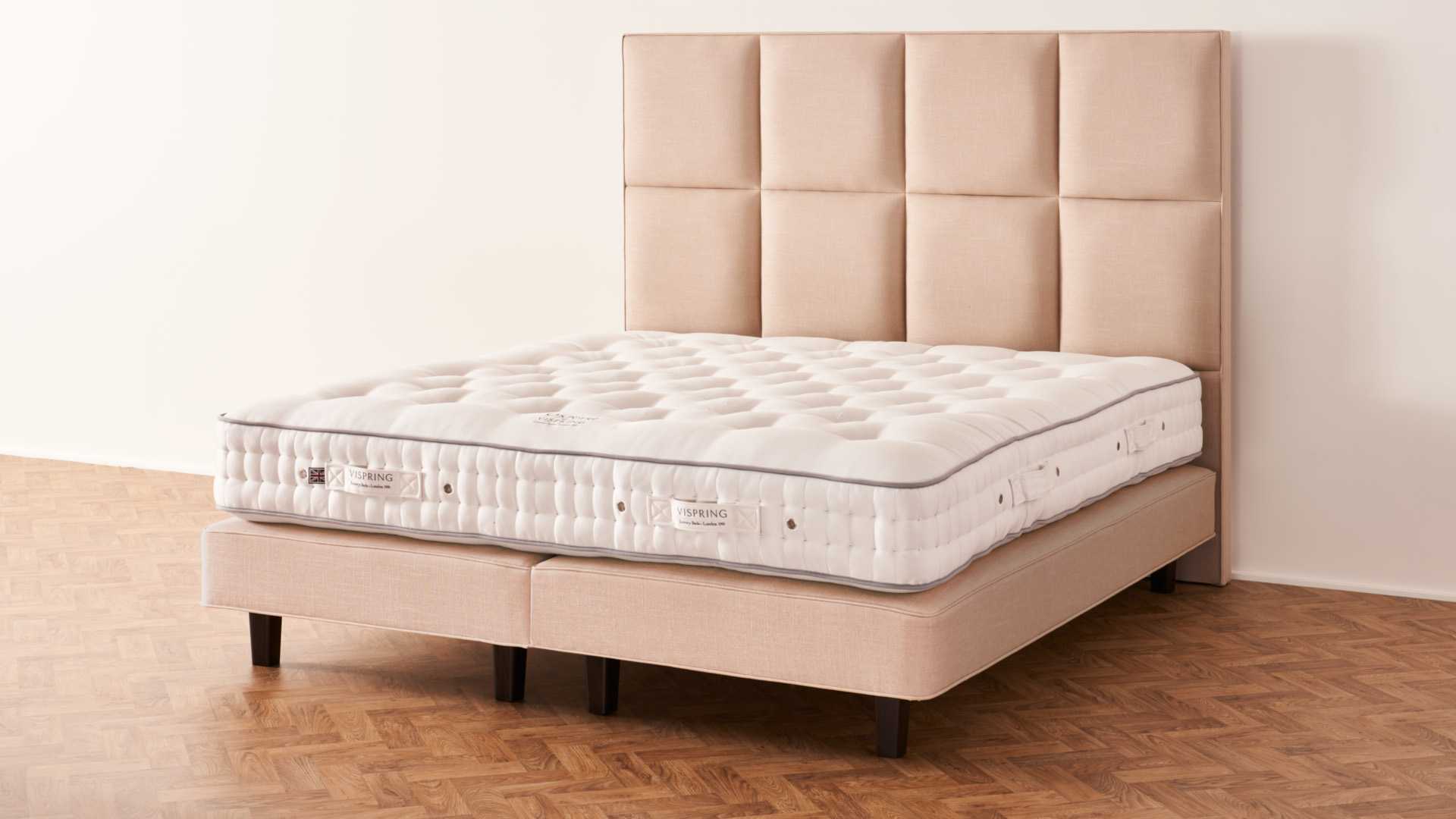
In the Vispring Herald Superb, for example, the king-size specification describes 1,716 Vanadium steel springs individually nested by hand inside calico pockets, arranged in three rows. This is a concrete construction detail, not a universal specification for every Vispring mattress. The model also offers Soft, Medium, Firm, and Extra Firm tension options, with split firmness available in king size. Those choices can be particularly relevant when two people sharing a bed have different preferences.
The Herald Superb’s spring architecture is one reason to look at the model’s precise specification rather than assuming that every mattress in a brand’s collection shares the same design. Read its Vispring Herald Superb product details alongside information for any other model under consideration, and compare like with like.
Tension is not a universal comfort rating
Words such as soft, medium, and firm sound like a simple scale. In practice, they are best treated as descriptions of a spring tension option—not a promise that every sleeper will experience the same sensation. Body shape, weight distribution, sleeping position, mattress base, and the cushioning layers above the springs can all affect what that label feels like.
A person who sleeps on their side may pay close attention to how the surface accommodates the shoulder and hip. A back sleeper may focus more on how evenly the mattress supports the torso and lower body. Stomach sleepers often have different comfort priorities again. None of those observations means a particular tension is automatically right for everyone in that position; they are prompts for a thoughtful, personal test.
For couples, a split-tension configuration can be worth asking about when available. In the Herald Superb’s king-size specification, each side can be ordered with a different tension. This does not remove the need to consider the shared surface and bed base, but it creates the possibility of tailoring support preferences across the width of one mattress.
When trying a bed, give your body a few minutes to settle into your usual sleep position. Notice whether you feel pressure, whether you can change position comfortably, and whether the support feels consistent. If possible, test the mattress with the kind of pillow and bed base you expect to use at home. A quick sit on the edge or a brief showroom visit is not a complete substitute for sleeping on a mattress over time, so understand the trial and return terms before making a decision.
Natural fillings and the feel of the surface
Springs provide a framework for support, but the upholstery above them helps determine what the sleeper feels first. Natural fibres such as wool and cotton can contribute cushioning, breathability, and a less foam-like response. The precise result depends on the type, quantity, placement, and density of the materials, as well as the way they are layered.
Wool is often included in mattress upholstery because it can absorb and release moisture vapour. That quality may help the sleep surface feel more comfortable across changing conditions, but it should not be read as a guarantee that any mattress will keep every sleeper cool. Room temperature, bedding, sleepwear, individual temperature sensitivity, and ventilation all play a part.
Cotton can provide a breathable component within a filling stack and may help create a more even upholstered layer. Again, the word “cotton” does not say everything about the feel. The final result depends on how much is used and how it interacts with other fibres and the spring unit. A mattress described as containing natural materials may still have a very different surface character from another model with a different blend or construction.
The Herald Superb’s listed upholstery includes bonded British fleece wool and cotton, as well as blended British fleece wool and cotton. Its construction is described as using natural fibres in the upholstery layers. That combination offers a useful example of why reading the full materials description matters: it gives more information than a broad claim about natural fillings, while still leaving the final comfort judgment to the person testing the mattress.
Natural materials are not automatically better for every sleeper, nor do they make a mattress maintenance-free. If you have sensitivities, allergies, or specific material requirements, review the complete specification and ask the manufacturer or retailer for clarification. Consider the cover and any treatments as well as the filling itself. Labels can be useful, but they are not a substitute for checking what is actually present.
Hand tufting, borders, and the details at the edge
Construction details that are easy to overlook can influence how a mattress holds together. Tufting, for example, draws the upholstery layers into a more controlled arrangement. The Herald Superb is described as hand-tufted with felt washers, compressing the filling layers into a consistent density and helping prevent material from shifting across the surface. It is a structural detail, not a shortcut to predicting exactly how soft or firm the bed will feel.
The border is another part worth inspecting. Edge construction can affect how the mattress behaves near its perimeter, which matters to people who use the full width of the bed or sit on the side while getting dressed. The Herald Superb is described as having a border upholstered with protective wool and two rows of hand side-stitching. This stitching anchors the spring edge to the border wire and is intended to preserve the usable sleeping area toward the perimeter.
Look for clear explanations of edge support rather than relying only on a claim that a mattress has “strong sides.” Ask how the border is constructed and whether the mattress is designed to be used on all sides or rotated in a particular way. Handles can make a heavy mattress easier to reposition, but they are generally there to assist with handling—not to lift the mattress single-handedly. Follow the maker’s instructions when moving it.
Air vents may also be part of the design. The Herald Superb includes perimeter air vents, which are described as helping air move through the filling stack as the sleeper moves. Vents are one component of a mattress’s construction; they do not eliminate the need for a suitable bed base, a reasonably ventilated room, or appropriate care.
How to compare mattress feel in person
Online descriptions are useful for understanding materials and construction, but feel is personal. If you can try a mattress, make the test purposeful. Start by identifying your typical sleep position and the issues you notice on your current bed. Do you want a less cushioned surface, more pressure relief, a different response when turning, or a setup that better accommodates two sleepers? A clear priority makes the comparison more meaningful.
- Try your usual position. Spend time on your side, back, or stomach as you normally sleep, rather than judging only while sitting upright.
- Notice pressure and ease of movement. Consider whether your shoulders or hips feel uncomfortable and whether changing position feels natural.
- Ask about tension options. Confirm which choices apply to the specific model and size, and whether split tension is available.
- Compare the full construction. Review spring arrangement, filling materials, upholstery layers, edge treatment, and finishing details—not just spring count.
- Check the base requirements. A mattress and its foundation work together. Ask which bases are suitable and whether the support spacing or style affects the warranty.
- Read the terms before purchase. Find out about delivery, trial periods, exchanges, returns, warranties, and any conditions that apply.
Keep notes if you test more than one model. Names and impressions can blur together after a few showroom visits, while details such as tension options and filling composition remain easier to compare in writing. If a retailer can provide a specification sheet, use it to confirm the exact model and size rather than depending on a general catalogue description.
Also remember that a new mattress may feel different from a showroom sample and different again from the bed you are replacing. Your body has adapted to a familiar surface, and the bed base, pillow, and bedding influence the whole setup. It is sensible to evaluate the complete sleep system rather than treating the mattress as an isolated object.
Care, rotation, and long-term expectations
Care instructions should be part of the buying conversation, especially when a mattress contains natural upholstery. Ask whether the mattress should be rotated, turned, or left in a fixed orientation. Not all models have the same design or care requirements, and a one-size-fits-all routine can be inappropriate. Follow the instructions supplied for the exact model.
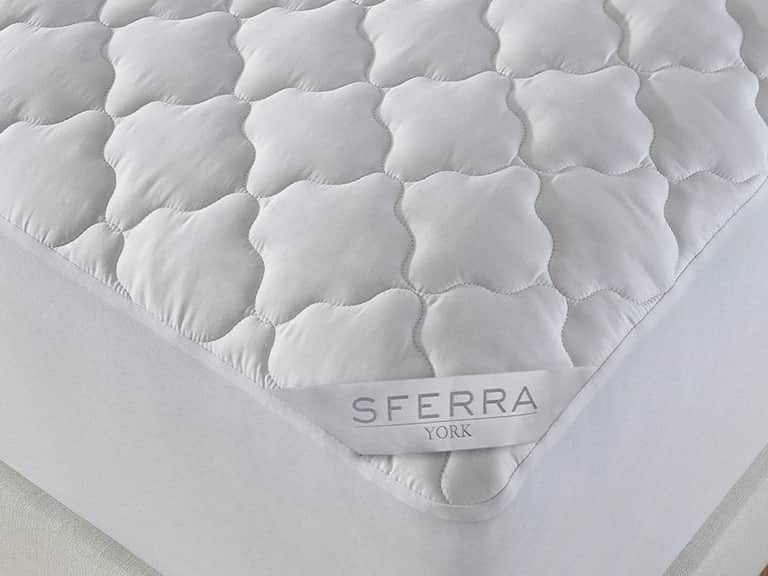
Use a properly supportive base and keep the mattress protected from spills and excessive moisture. A washable protector may help reduce staining and the accumulation of everyday soils, but check that it fits correctly and does not interfere with the feel you prefer. If using a topper, remember that it changes the surface sensation; a softer layer can make a firm mattress feel different without changing the spring tension underneath.
Natural fibres can compress and settle with use. Some change in surface appearance over time does not automatically mean that the support system has failed, but significant sagging or discomfort deserves attention. Keep purchase records, warranty information, and care guidance in an accessible place. If a concern develops, document it and contact the relevant retailer or manufacturer to understand the next steps.
Do not assume that a premium construction requires no maintenance, or that maintenance can restore a mattress that no longer suits you. Care can help protect the product, but comfort remains individual. If your needs change, reassess the mattress, pillow, base, and bedroom setup together.
A natural-fibre topper is a separate decision
A mattress topper can alter the surface feel, but it is not the same thing as the mattress’s built-in upholstery. That distinction is helpful when comparing a pocket-sprung mattress with a layered natural-fibre design. A topper sits above the mattress and may add cushioning; it does not change the underlying spring layout or correct every issue with an unsuitable or worn-out mattress.
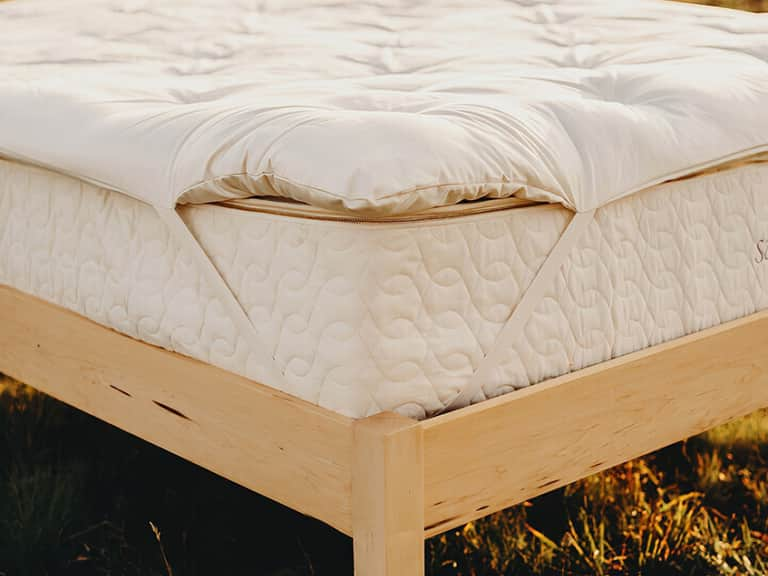
For instance, the Savvy Rest Natural Savvy Woolsy Mattress Topper is described as a wool-filled topper in a quilted organic cotton cover, with corner straps and an approximate three-inch height. It is a distinct accessory rather than part of Vispring mattress construction. A shopper considering it should think about how its added softness may affect the feel of the mattress underneath, whether the straps fit securely, and how the topper should be protected and maintained.
Before adding a topper, identify the problem you hope to solve. If the mattress is fundamentally uncomfortable or no longer supportive, an extra layer may only disguise the issue for a time. If the mattress is sound but feels slightly too firm at the surface, a topper may be worth evaluating. The best choice depends on the mattress condition, your preferences, and any care or compatibility advice from the manufacturers.
Questions to ask before choosing a Vispring mattress
Clear questions can turn a broad brand comparison into a practical decision. When reviewing any model, including Vispring options, consider asking:
- What is the exact spring configuration, and does the specification vary by mattress size?
- Which tension choices are available, and can a two-person mattress be ordered with split firmness?
- What fibres make up the upholstery, and how are those materials layered?
- How is the border constructed, and what should I expect near the edge?
- Does the mattress need to be rotated or turned, and how often?
- Which type of bed base is recommended for this model?
- What are the warranty terms, trial arrangements, and care requirements?
- Are the listed materials and construction details specific to the model and size I am considering?
These questions are useful whether you are visiting a showroom in Naperville or researching online from home. A local connection can make it easier to find nearby testing opportunities and understand delivery or service arrangements, but an educational comparison should remain grounded in the product’s specific specifications. Ask for details in writing when something important is unclear.
The takeaway: compare the whole mattress, not the label
Vispring mattresses bring together pocket-spring construction and natural upholstery, but the brand name alone cannot predict how a particular model will feel. Spring design and tension influence the support system; wool, cotton, and other filling combinations shape the surface; and details such as tufting, side-stitching, and vents add context to how the mattress is built.
The Herald Superb illustrates why model-specific comparisons matter. Its stated king-size configuration includes three rows of individually nested Vanadium steel springs in calico pockets, four tension choices, natural-fibre upholstery, hand tufting, a stitched border, and perimeter air vents. Those details offer a more useful picture than a simple “firm” or “natural” label—while still leaving the most important question unanswered until you try it: does it feel right for you?
Approach mattress research with curiosity rather than assumptions. Check the specification, test the surface in your normal sleep position, consider your partner’s needs, and understand the care and warranty terms. That combination of practical questions and personal evaluation is the clearest route to choosing a mattress whose construction makes sense for your household and whose feel works for your nights.