Memory foam pillows are designed to conform to the natural contours of the head and neck, providing targeted support and pressure relief. The viscoelastic properties of memory foam respond to body heat, enabling slow, even contouring that helps maintain spinal alignment throughout the night. This category emphasizes materials, density, and loft choices to match different sleep positions.
Key features to consider include pillow firmness, memory foam density, and thickness. Higher density foams typically offer longer-lasting support and superior motion isolation, while varying loft accommodates side, back, and stomach sleepers. Breathable covers and gel-infused foams can also influence temperature regulation during rest.
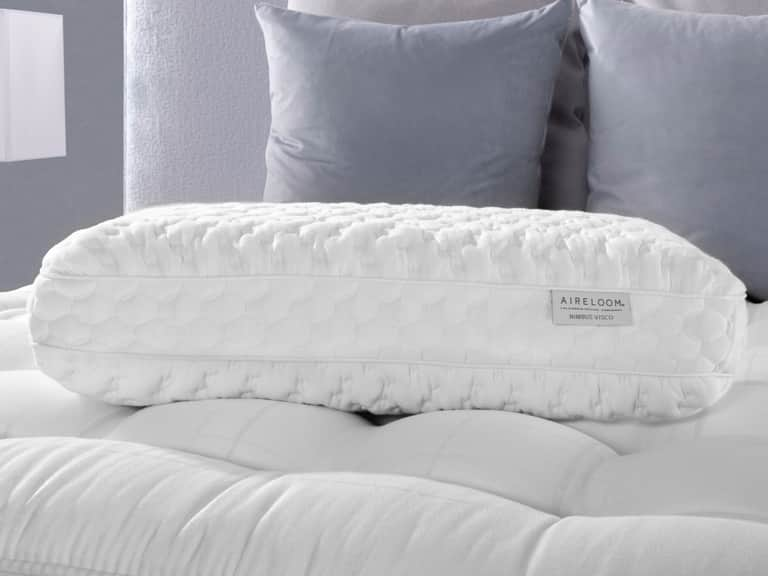
Memory foam pillows, such as Aireloom Nimbus Visco High Profile Pillow, combine contouring support with elevated height to support cervical alignment for taller individuals or those who prefer a higher head position. Functional benefits often include reduced neck strain, improved airway openness, and more stable sleep posture across different sleeping habits.
When selecting a memory foam pillow, consider recovery resilience, odor characteristics, and cover materials. Traditional memory foam may off-gas briefly, but many pillows incorporate cooling technologies or infused materials to improve comfort. Proper care, including pillow rotation and occasional flipping, helps maintain consistent support over time.
For pillow users seeking lasting comfort, understanding pillow construction—such as core foam, cover fabric, and edge support—illuminates how memory foam pillows interact with bedding essentials like sheets and organic mattresses. This category thus highlights product features, functional benefits, and practical usage guidance within the broader context of sleep wellness and bedding optimization.
 Bedding